How social media, delivery culture, and counterfeit pills are changing the risks facing today’s teens.
In October, the Laguna Beach Community Coalition (LBCC) welcomed DEA Special Agent Mike Keuler, to discuss emerging drug trends and the evolving threats facing teens and young adults. The coalition brings together a diverse group of community stakeholders, including school administrators, educators, law enforcement, healthcare professionals, youth-serving organizations, and Providence representatives, to address issues affecting the health and well-being of Laguna Beach residents. During his presentation, Keuler shared valuable insights into today’s rapidly changing drug landscape and the steps families and communities can take to better protect young people.
His message was clear: the drug marketplace has changed dramatically.
Gone are the days when drug transactions primarily occurred on street corners or through face-to-face connections. Today, illicit substances can be marketed through social media, messaging apps, and online networks, creating unprecedented access and exposure for young people.
Drug Trafficking in the Digital Age
Drug traffickers have adapted to that culture of convenience following COVID and the expansion of delivery apps.
According to Keuler, today’s illegal drug market operates in a way that can feel as easy as ordering pizza. Social media platforms, encrypted messaging apps, and online contacts allow traffickers to connect with potential buyers quickly and discreetly.
The result is greater accessibility, especially among youth who spend much of their time online.
“Drug trafficking has adapted to the digital age,” Keuler explained. “Young people can access illicit substances with a level of convenience that simply didn’t exist a decade ago.”
The Growing Threat of Counterfeit Pills
One of the most alarming trends today is the rise of counterfeit prescription medications.
These fake pills are designed to look nearly identical to legitimate medications such as Adderall, Xanax, and oxycodone. Many users believe they are purchasing a prescription drug when they are actually buying a counterfeit pill containing dangerous substances.
For teens and college students, Adderall is often the drug that enters the conversation first.
Whether it’s preparing for finals, studying late, or attempting to improve academic performance, many students will be confronted with opportunities to use Adderall at some point during high school or college.
What they may not realize is that pills obtained from friends, social media contacts, or online sellers may not be Adderall at all.
“The question isn’t whether young people will hear about Adderall,” Keuler noted. “The question is whether they’ll understand the risks associated with pills obtained outside a pharmacy.”
Many counterfeit Adderall pills have been found to contain methamphetamine, exposing unsuspecting users to a highly addictive stimulant.
From Experimentation to Addiction
For young people, the risks extend beyond accidental poisoning.
The adolescent brain is still developing well into the mid-twenties. The areas responsible for decision-making, impulse control, and judgment mature later than the brain’s reward system. As a result, teens are biologically more vulnerable to developing substance use disorders than adults.
When drug use begins during adolescence, addiction can develop more rapidly and have longer-lasting consequences.
What may begin as an attempt to improve focus, stay awake longer, or fit in socially can quickly become a pattern of dependence.
For this reason, prevention experts emphasize that protecting young people requires more than law enforcement. It requires education, connection, and ongoing conversations with trusted adults.
Parent Tip: Today’s drug transactions often leave a digital trail. In addition to talking with teens about social media and online safety, parents should familiarize themselves with payment apps such as Venmo, Cash App, Zelle, and Remitly, Unusual or unexplained payments to unfamiliar individuals can be an opportunity to start a conversation about online activity, peer influence, and substance use risks.
Why Teens Need Adults to Lead the Conversation
A Parent Call-Out
Teens are at greater risk for addiction because their brains are still developing. They can become addicted more quickly, and quitting can be more difficult.
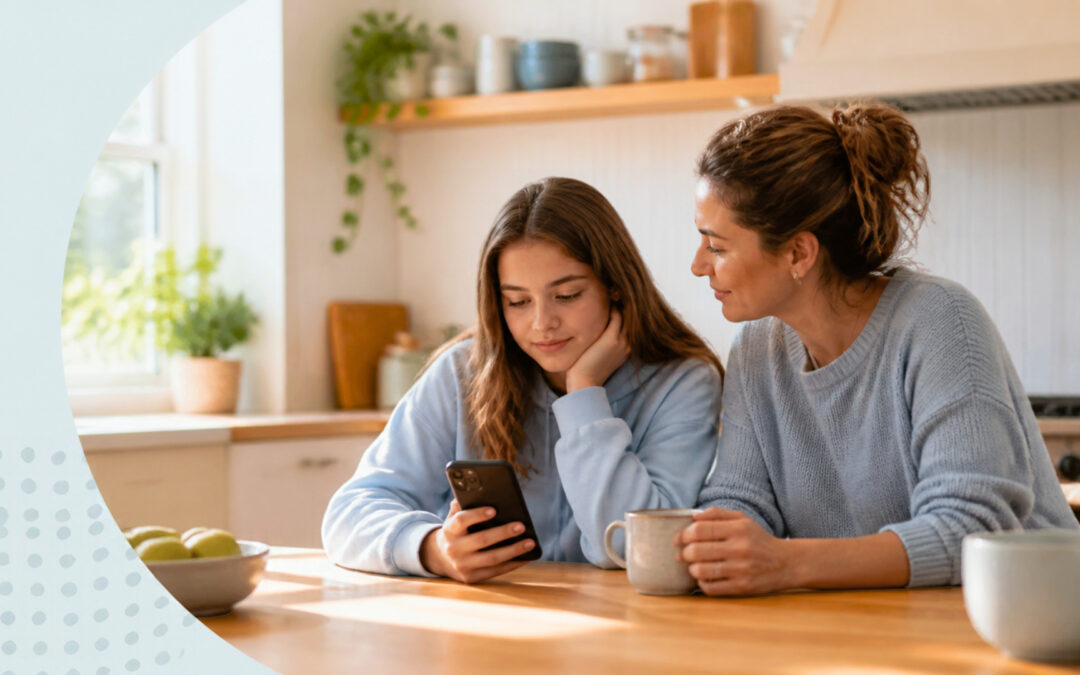
At the same time, social media, messaging apps, and online networks make it easier than ever for young people to encounter counterfeit pills and other drugs. That’s why they need trusted adults in their lives now more than ever.
Parents don’t need to have all the answers. They simply need to start the conversation and stay engaged.
Research shows that strong relationships with caring adults are one of the most powerful ways to protect young people from substance use and other risky behaviors.
“Kids need trusted adults in their lives having these conversations before they’re ever offered a pill,” Keuler emphasized. “Education and open communication are among the most powerful prevention tools we have.”
Fentanyl Remains a Serious Threat
Fentanyl continues to be one of the greatest concerns for law enforcement and public health professionals.
In Orange County alone, law enforcement agencies have seized more than half a million counterfeit fentanyl pills in recent years. These pills are often manufactured to resemble legitimate prescription medications, making them especially dangerous.
While experts report that the percentage of illicit narcotics containing fentanyl has begun to decline, the drug remains highly lethal. Current estimates suggest that approximately 20% to 30% of illicit narcotics contain fentanyl, meaning the risk remains significant despite recent progress.
“We’re encouraged by the progress being made,” Keuler said. “But fentanyl is still out there, and it’s still deadly. It only takes one counterfeit pill to change a family’s life forever.”
Prevention Starts with Awareness
The reality is that today’s drug threats look different than they did even five years ago.
Young people are not always seeking out dangerous drugs. Many are encountering counterfeit pills disguised as medications they recognize and trust.
That’s why awareness matters.
Parents, caregivers, teachers, coaches, and mentors all play a critical role in helping young people navigate these challenges. Honest conversations about counterfeit pills, online drug sales, addiction, and fentanyl can empower youth to make informed decisions before they find themselves in a risky situation.
The message from DEA Special Agent Mike Keuler is simple:
If a pill doesn’t come from a licensed pharmacy and a valid prescription, there’s no way to know what’s inside.
And in today’s drug marketplace, that uncertainty can be deadly.